
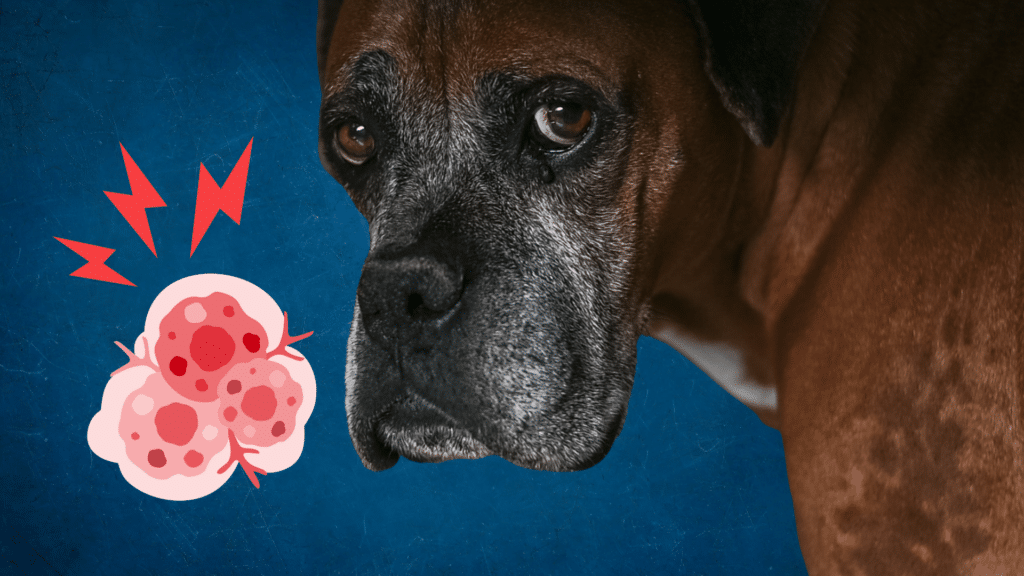
A small bump under your dog’s coat can bring up some big questions. How long has it been there? Does it hurt? Could it be serious? Concerns about cancer in dogs are understandable, but finding a lump is a reason to seek answers rather than assume the worst.
Animal Cove Pet Hospital wants dog owners in Foster City, CA to know that if you notice an unfamiliar growth, a veterinary visit is the next step toward understanding what it means for your pet.
A Lump Can Have Several Explanations
A growth on your dog may be a fatty lump, a cyst, an area of inflammation, or a cancerous mass. Benign growths do not invade surrounding tissues or spread elsewhere in the body, although some can still cause discomfort or interfere with movement.
Cancer is still a serious risk. The American Veterinary Medical Association has stated that about 1 out of every 4 dogs will have cancer. The risk of cancer in dogs increases with age, and certain breeds are predisposed to particular types.
Look Beyond the Bump for Other Cancer Symptoms
A lump that grows, changes color, bleeds, or bothers your dog needs to be evaluated by a veterinarian. Other potential signs of cancer in dogs include unexplained weight loss, nonhealing sores, unusual bleeding from the nose or mouth, and reduced appetite or energy. These changes can have many causes, so noticing one does not confirm cancer.
Mention any new symptoms when arranging your dog’s sick visit, including changes that began before you discovered the mass. If your dog has difficulty breathing, seek emergency veterinary care immediately instead of waiting for a scheduled examination.
Have New Growths on Your Dog Evaluated
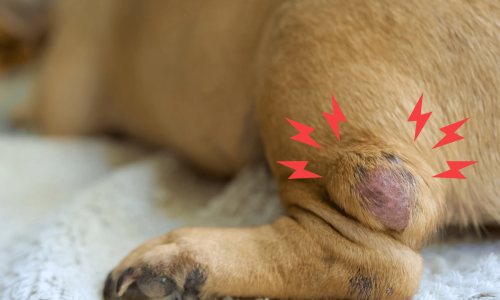
When you find a mass, call Animal Cove Pet Hospital and explain where it is, when you noticed it, and whether it has changed. Write down those details and (if possible) take a clear photo with a ruler nearby to document its size without pressing on the area. A veterinarian will examine your dog, review their history, and decide what to do next.
Testing may involve using a thin needle to collect cells or removing a small tissue sample for examination in a laboratory. A lump’s firmness, size, or appearance cannot reliably establish whether it is cancerous, and a painless growth should not automatically be dismissed.
Get Familiar With Your Dog’s Normal
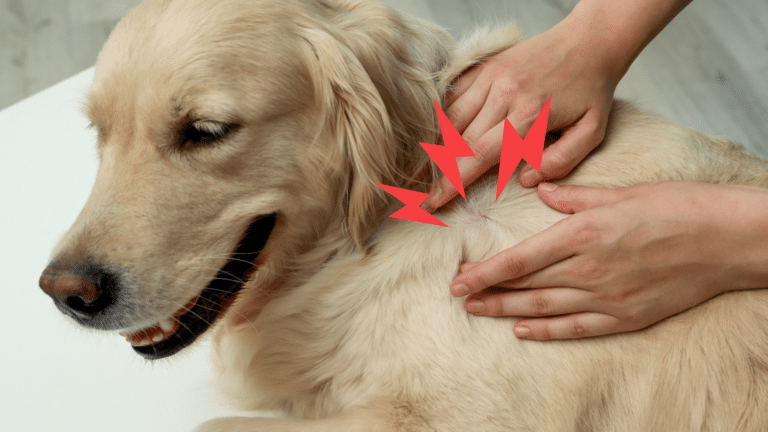
Quiet moments at home offer an opportunity to notice changes before they become easy to see. Gently move your hands over your dog’s head, shoulders, sides, belly, and legs while petting or brushing them. If your dog allows it safely, lift the lips to check for sores, bleeding, or unusual tissue inside the mouth.
Avoid forcing a mouth check or handling an area that seems painful, since even a gentle dog may bite when uncomfortable. Keep up with veterinary examinations as your pet ages, and report new findings right away rather than waiting until the next routine visit.
Cancer Does Not Always Cause a Visible Mass
Some types of cancer in dogs affect internal organs or blood cells without creating a noticeable skin lump. Persistent vomiting, declining stamina, or unexplained weight changes still warrant a veterinary assessment. A normal-looking coat and skin do not rule out an underlying illness. Your observations about everyday habits can give your veterinarian useful information.
Talk With Your Foster City Veterinarian About a New Lump
You do not have to figure out what a growth means on your own. Animal Cove Pet Hospital provides veterinary care for pets from Foster City, San Mateo, Redwood City, and our local community, with same-day appointments often available. If you have discovered a lump, schedule an appointment so we can discuss your concerns and evaluate your dog.
Take a breath, note what you have found, and arrange a check. If testing identifies cancer, our team can explain the findings and discuss next steps with you.