
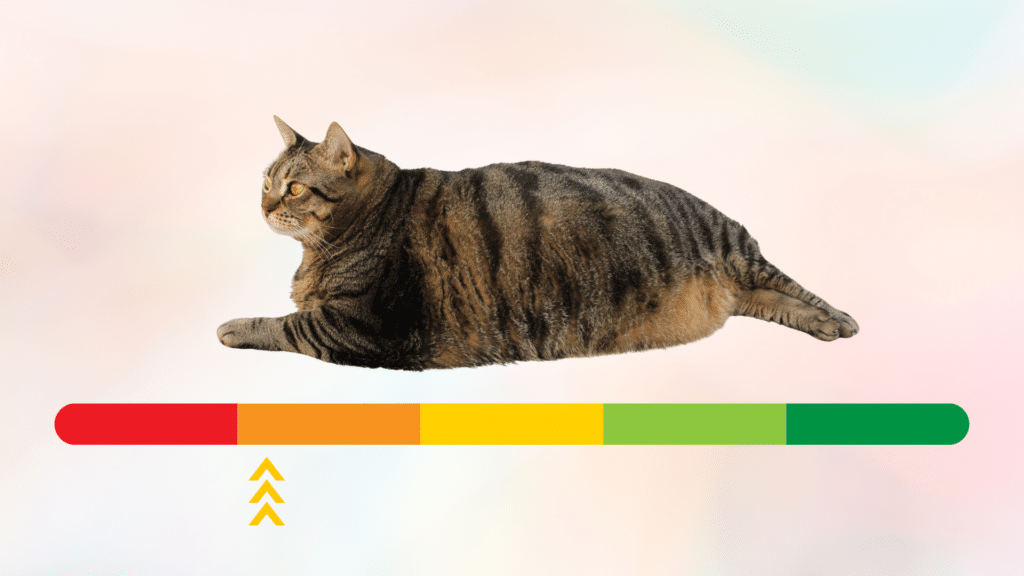
If your cat seems rounder than usual or the number on the scale keeps creeping upward, you may be wondering whether you have an overweight cat. Weight changes can happen gradually, which makes them easy to overlook when you see your pet every day. For cat owners in Foster City, paying attention to body shape, activity, and eating habits can make it easier to recognize when a veterinary evaluation is warranted.
Why Excess Weight Matters for Cats
An overweight cat may face health concerns that go beyond appearance. Excess body fat can increase the risk of conditions such as diabetes and may put added strain on joints, making normal movement more difficult. Some cats may become less interested in jumping, playing, or grooming hard-to-reach areas as mobility changes. Maintaining an appropriate body condition can support comfort, activity, and quality of life throughout your cat’s different life stages.
Why Do Cats Become Overweight?
Eating more calories than the body uses is the number one reason cats gain excess weight. Large portions, frequent treats, calorie-dense foods, and free-feeding can all contribute, particularly for indoor cats with lower activity levels. Age, lifestyle, and changes in daily routines can affect calorie needs. However, weight gain can sometimes be connected to an underlying medical issue, so it is important not to assume food is always the only cause.
How Can I Tell if My Cat Is Overweight?
A cat’s ideal weight varies, so body condition often provides more useful context than the scale alone. In general, you should be able to feel the ribs without pressing through a thick layer of fat, and a waist should be visible behind the ribs when viewed from above. A veterinarian can assess your cat’s body condition and explain what a healthy range looks like for that individual pet.
You can review this cat body condition scoring chart to become familiar with common visual markers, but a professional exam is the best way to determine whether you have an overweight cat.
When Weight Gain Calls for Veterinary Care
If your cat starts gaining weight unexpectedly, schedule a veterinary appointment rather than making major diet changes on your own. A veterinarian can evaluate body condition, discuss current food and treat portions, review activity levels, and consider whether medical factors may be involved. Animal Cove Pet Hospital provides weight management consultations for cats in the Foster City area. Same-day appointments are often available.
Three Quick Tips for Managing Your Cat’s Weight
- Measure meals consistently instead of estimating portions, and include treats when considering your cat’s daily food intake.
- Skip restrictive diet plans or calorie-cutting advice found online unless your veterinarian has confirmed that approach is appropriate for your cat.
- Encourage regular movement with interactive toys, climbing opportunities, or short play sessions suited to your cat’s age and physical condition.
Weight Management Cats in Foster City, CA and Nearby Communities
Animal Cove Pet Hospital serves pet owners in Foster City, San Mateo, Redwood City, and Belmont with veterinary services for dogs and cats. If you are concerned about an overweight cat, changes in appetite, or unexplained weight gain, schedule an appointment for an evaluation. Our veterinary team can recommend a feeding and activity plan based on your cat’s current condition, lifestyle, and individual needs.
Small, consistent changes can make a meaningful difference when weight management is guided by your veterinarian.